
For pool service professionals, traditional cleaning methods have long demanded significant time and physical effort. Manual brushing, vacuuming with hose-connected systems, and skimming debris by hand consume hours that could be spent growing a business or serving additional clients. These labor-intensive approaches also produce inconsistent results, leaving pool owners dissatisfied and professionals frustrated. The emergence of the robot pool vacuum has fundamentally changed this equation, offering autonomous cleaning that dramatically reduces hands-on labor while delivering superior results. Today’s most advanced models integrate sophisticated technologies including AI navigation for intelligent pathfinding and wall climbing capabilities that ensure no surface goes untouched. This article explores how these cutting-edge devices address the specific needs of pool service professionals, from enhancing cleaning efficiency to providing reliable product recommendations for clients. We’ll examine the evolution of pool cleaning technology, break down the key features that matter most, discuss practical implementation strategies, and look ahead at emerging trends shaping the industry’s future.
The Evolution of Pool Cleaning Technology
Pool maintenance has undergone a remarkable transformation over the past several decades. Early methods relied entirely on manual labor—long-handled brushes, leaf rakes, and handheld vacuum heads connected to filtration systems through unwieldy hoses. These suction-side and pressure-side cleaners represented the first step toward automation in the 1970s and 1980s, but they moved randomly across pool floors, frequently missed spots, and required constant supervision. They also placed additional strain on existing pump systems and offered no ability to scale walls or address waterline buildup.
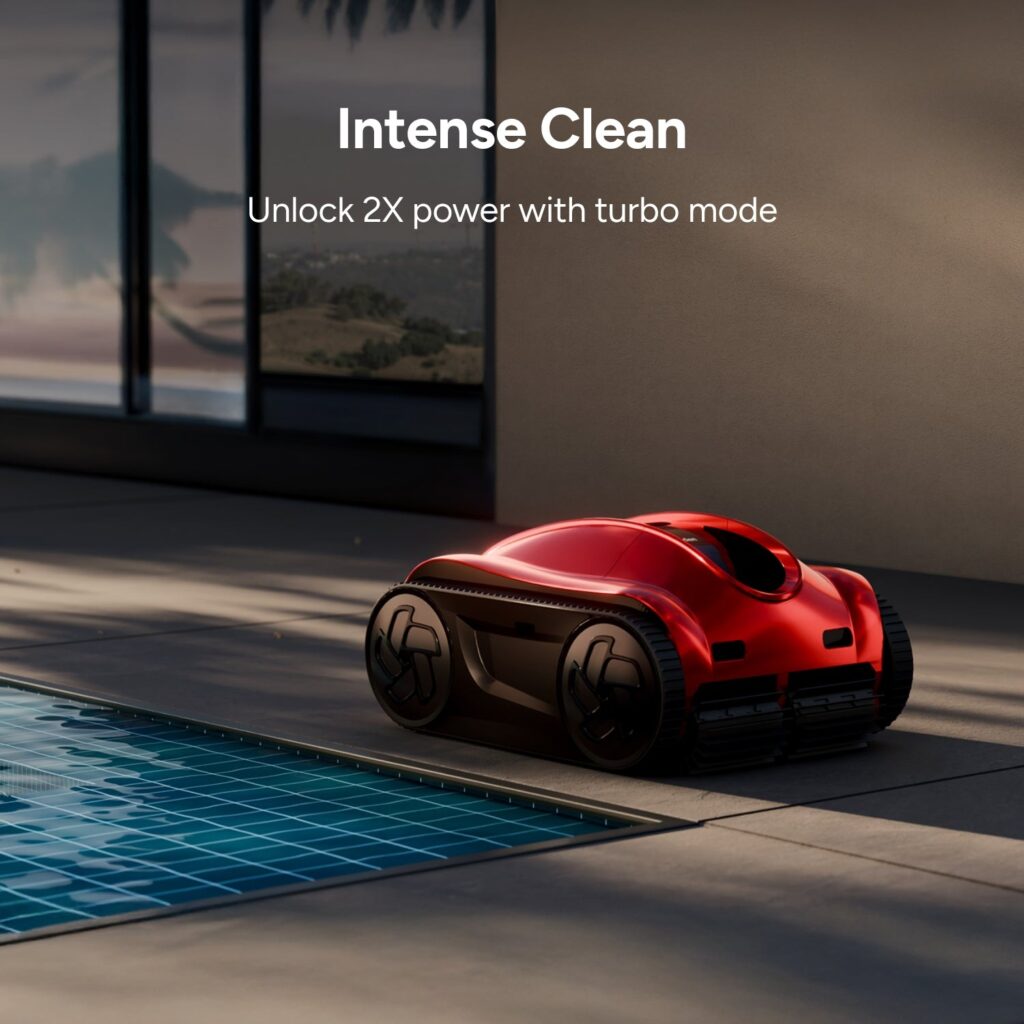
The introduction of the robot pool vacuum marked a decisive turning point. Unlike their predecessors, these self-contained units operate independently from the pool’s filtration system, carrying their own motors, filtration baskets, and increasingly sophisticated onboard computers. Modern pool cleaning technology leverages sensors, mapping algorithms, and powerful drive systems that would have been unimaginable just a decade ago. For pool service professionals, this evolution means moving from reactive, physically demanding work to strategic service delivery. Adopting autonomous cleaning tools isn’t merely a convenience—it’s a competitive necessity in an industry where client expectations for spotless results and rapid turnaround continue to rise. Professionals who embrace these advancements position themselves to handle larger client rosters without sacrificing quality.
Key Features of Advanced Robot Pool Vacuums
The most capable robot pool vacuums distinguish themselves through a combination of intelligent navigation, physical versatility, and superior debris handling. Understanding these core functionalities helps professionals evaluate which models deliver genuine efficiency gains versus those offering incremental improvements over older technology.
See also: Mutf_In: Icic_Pru_Tech_Aw67gu
AI Navigation for Precision Cleaning
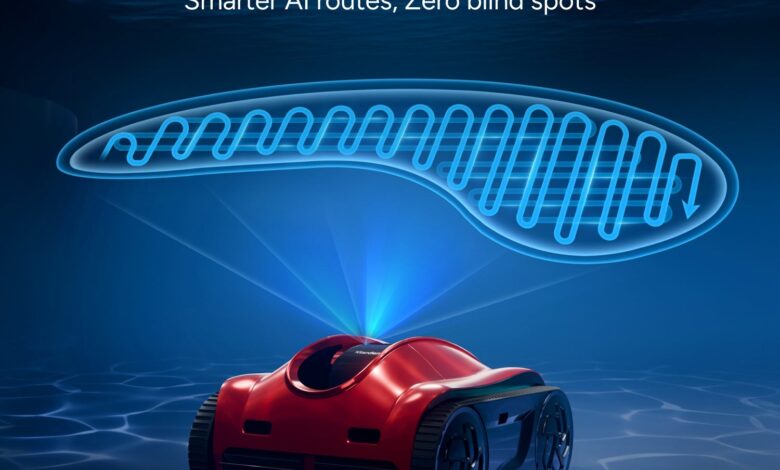
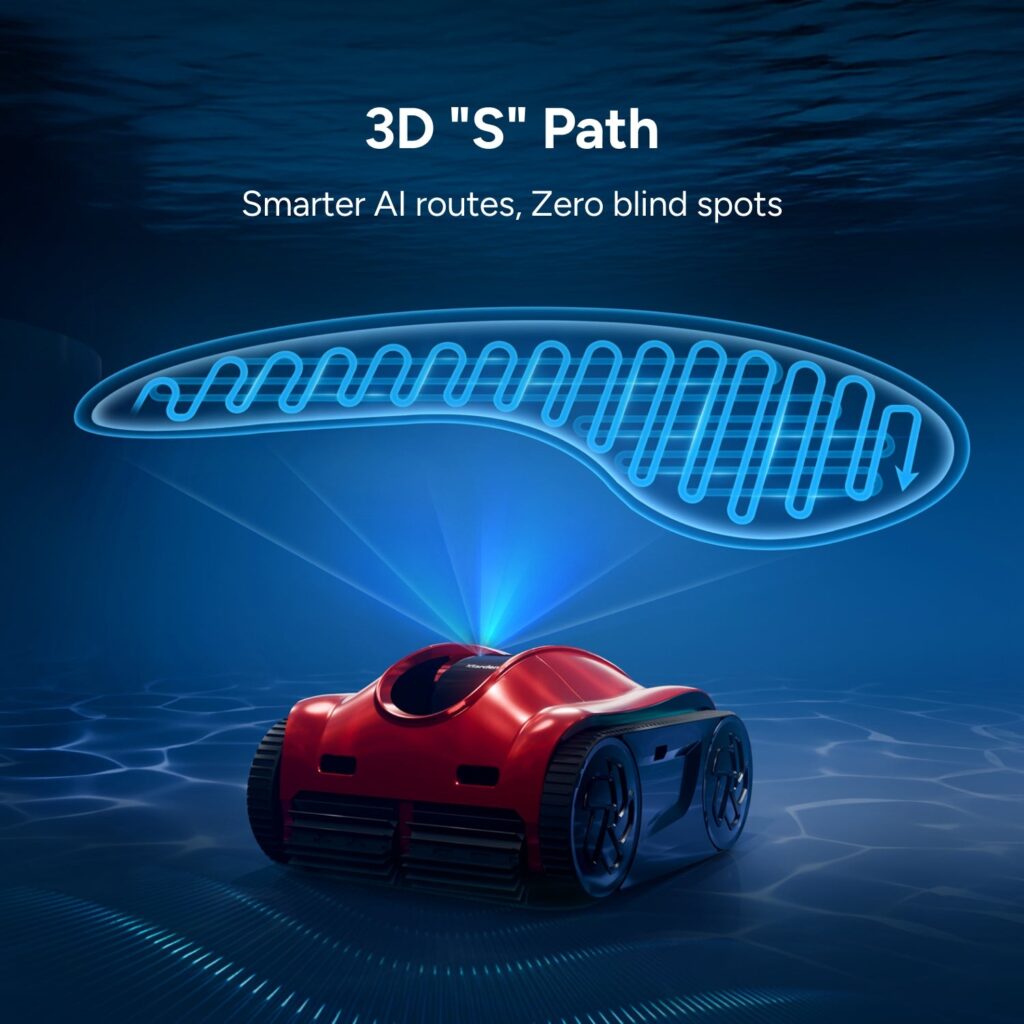
AI navigation represents perhaps the single most impactful advancement in modern pool cleaning technology. Rather than bouncing randomly off walls and relying on chance to achieve full coverage, units equipped with intelligent pathfinding scan and map the pool’s dimensions in real time. They calculate optimal routes that systematically address every square inch of surface area while avoiding obstacles like ladders, drains, and steps. This precision translates directly into reduced cleaning time—often cutting cycle duration by 30 to 50 percent compared to random-pattern models. For professionals managing multiple pools daily, that efficiency compounds into meaningful time savings and lower energy consumption per job.
Wall Climbing Capabilities for Comprehensive Coverage
Wall climbing technology uses powerful drive motors combined with enhanced traction treads or rollers that grip vertical surfaces against water resistance. Advanced models transition seamlessly from floor to wall to waterline, scrubbing algae, biofilm, and scum deposits that accumulate at the water’s edge. This capability eliminates the need for separate manual brushing of walls—a task that traditionally required considerable physical effort and specialized tools. For maintaining pool hygiene between service visits, thorough wall cleaning prevents microbial growth from gaining a foothold and keeps surfaces visually pristine.
Advanced Debris Removal Systems
High-performance filtration systems within these vacuums handle everything from fine sand and silt particles to large leaves and acorns. Multi-layer filter baskets with varying mesh densities capture debris across the size spectrum without clogging prematurely. Top-loading basket designs allow professionals to empty collected material quickly between pools without flipping the unit or disassembling components. Some models feature extra-large capacity baskets specifically designed for heavy debris loads common in outdoor environments, reducing mid-cycle interruptions and keeping productivity high throughout a full service day.
How Robot Vacuums Meet the Needs of Pool Service Professionals
Pool service professionals operate in a demanding environment where staying current with technology directly impacts business growth. Advanced robot pool vacuums address two critical professional needs: they serve as learning platforms for understanding the latest pool cleaning technology, and they function as reliable products worth recommending to clients seeking autonomous maintenance between scheduled visits.
From a knowledge perspective, working hands-on with AI navigation systems and wall climbing mechanisms deepens a professional’s technical expertise. This understanding builds credibility during client consultations and positions service providers as trusted advisors rather than simple laborers. When clients ask about automated options, professionals who have tested and evaluated multiple models can speak from direct experience about performance differences, durability under heavy use, and long-term value.
As recommendable products, robot vacuums extend a professional’s service relationship beyond weekly visits. Clients who invest in quality units based on their technician’s guidance experience cleaner pools between appointments, reducing complaint calls and strengthening loyalty. The key is identifying models that combine robust construction for years of reliable operation with genuinely effective cleaning performance across diverse pool shapes and surface materials.
Steps to Identify and Recommend Reliable Robot Vacuums
Professionals should follow a structured evaluation process before endorsing any model to clients. Start by researching established brands with proven track records in commercial and residential applications—smart home companies like iGarden that offer dedicated support channels for service professionals deserve priority consideration. Next, personally test units with features like AI navigation and wall climbing in pools that represent your typical client base, noting how they handle irregular shapes, tight corners, and varying debris loads. Review aggregated client feedback across multiple platforms to identify recurring reliability issues or standout performance characteristics that hands-on testing might miss. Finally, evaluate warranty terms, replacement part availability, and manufacturer responsiveness to service claims. A vacuum that performs brilliantly but lacks accessible support becomes a liability rather than a recommendation you can stand behind confidently.
Implementing Robot Pool Vacuums for Maximum Efficiency
Integrating advanced robot vacuums into a professional service workflow requires deliberate planning rather than simply dropping a unit into each pool and walking away. Start by mapping your client roster according to pool size, surface type, and typical debris challenges—this determines which deployment sequence maximizes each unit’s battery life and filtration capacity across a full day of service calls. Arrive at each property, perform a quick visual assessment for large obstructions or unusual conditions, then deploy the robot while you handle chemical testing, skimmer basket cleaning, and equipment inspections simultaneously. This parallel workflow approach effectively doubles your productive output at each stop.
Establish a consistent maintenance routine for the vacuums themselves between jobs. Rinse filter baskets thoroughly, inspect drive treads for wear or tangled hair, and check brushes for debris buildup that reduces scrubbing effectiveness. These sixty-second habits prevent performance degradation and extend unit longevity significantly. Client education also plays a vital role—teach pool owners how to keep the deck area clear of large branches or toys that might obstruct the robot during any between-visit cleaning cycles they run independently. When clients understand their role in supporting the technology, they experience better results and attribute that quality directly to your professional guidance, strengthening retention and generating referrals naturally.
Future Trends in Pool Cleaning Technology
The next wave of innovation in pool cleaning technology promises even greater autonomy and intelligence. Enhanced AI systems are moving toward predictive cleaning schedules that adapt to seasonal debris patterns, learning over time when specific pools need more intensive attention without manual programming. IoT connectivity is rapidly becoming standard, enabling robot pool vacuums to communicate directly with pool management platforms—professionals will monitor fleet performance, receive maintenance alerts, and track cleaning completion across their entire client base from a single smartphone dashboard. Some manufacturers are experimenting with chemical sensing capabilities that allow vacuums to detect water quality imbalances during cleaning cycles and relay that data instantly to service providers. Solar-assisted charging and improved battery chemistry will extend operational range, making single-charge coverage of larger commercial pools increasingly feasible. Professionals who stay informed about these developments and adopt early gain a significant competitive edge, differentiating their services through technology leadership while preparing their operations for an industry that grows more automated each year.
Embracing Autonomous Pool Cleaning for Professional Growth
The robot pool vacuum has transformed how service professionals approach their daily work, replacing hours of manual labor with intelligent, autonomous cleaning that delivers consistently superior results. Features like AI navigation ensure every surface receives systematic attention through optimized pathfinding, while wall climbing capabilities eliminate the physical demands of manual brushing and guarantee comprehensive coverage from floor to waterline. Advanced debris removal systems handle diverse contaminants without interruption, keeping professionals productive throughout demanding service days. Beyond operational efficiency, these devices serve dual purposes for professionals—they deepen technical knowledge that builds client trust and function as proven products worth recommending to pool owners seeking cleaner water between scheduled visits. The integration of robot vacuums into service workflows through parallel task execution and structured maintenance routines multiplies productive output at every stop. As emerging technologies like IoT connectivity, predictive scheduling, and chemical sensing continue advancing, professionals who adopt and master these tools today position themselves at the forefront of an increasingly automated industry. Take the step now to evaluate, test, and implement advanced robot pool vacuums in your operation—your efficiency, client satisfaction, and competitive standing will reflect that investment immediately.