
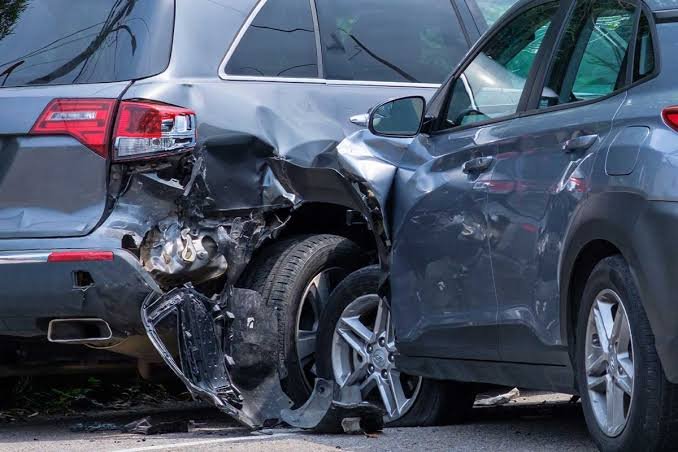
There are approximately 1.86 million rideshare-specific vehicles used in the United States, according to data from True Driving Cost. That staggering number means that there will inevitably be accidents involving rideshare drivers every day. But what happens if you are in the car with the driver when an accident occurs? Uber and Lyft accidents create more complicated insurance and liability questions than ordinary car crashes. Coverage depends heavily on what the driver’s app was doing at the exact moment of the collision, and liability can involve the driver, a third-party motorist, or (in limited ways) the rideshare company itself. Who Can Be Liable? Liability (legal responsibility) is separate from which insurance policy pays. Multiple parties may share fault: The rideshare driver — If they were negligent (distracted by the app, speeding, failing to yield, etc.), they are generally the primary liable party. Their coverage then depends on the period. A third-party driver — If another motorist caused the crash, that driver’s liability insurance is usually primary. If they are uninsured or underinsured, rideshare UM/UIM coverage (available in Periods 2/3 in many states) can provide additional protection for the passenger. Uber or Lyft — Direct lawsuits against the companies are difficult in most cases because drivers are classified as independent contractors rather than employees. This limits traditional “vicarious liability” claims. Claims are more commonly pursued through the commercial insurance policies the companies maintain. Direct claims against the company are sometimes possible in narrower situations (e.g., negligent driver screening or app-related issues), but these are fact-specific and harder to prove. See also: Elder Law Attorney: Navigating Legal Challenges for Seniors Other parties — Vehicle manufacturers (defective parts), municipalities (dangerous road conditions), or others can occasionally share responsibility. Don’t hesitate to reach out to a personal injury attorney in Melbourne, Florida (or whatever city you live) to gain proper legal advice on this matter. An attorney will likely meet with you free of charge and tell you what your best move is. They will assist you in recovering damages too. And they usually don’t get paid unless you do. Ride share companies carry insurance and their drivers are usually covered under their policy. There is a great deal of nuance on this topic so speaking directly to an attorney in your state is advised. This blog post is not meant to act as official legal advice, as there are many different laws for all 50 US states.
Read More »Law
The dissolution of a marriage or de facto relationship introduces a complex intersection of emotional stress, financial restructuring, and statutory…
Read More »
Accidents can leave people overwhelmed, uncertain, and unsure which details matter most. While every situation is different, a calm and…
Read More »
There are different levels of legal services offered in the United States. There are simple legal advisors who may have…
Read More »
Navigating the complexities of the parole process in Georgia can be challenging without the right guidance. Parole lawyers in Georgia play…
Read More »
Navigating the complexities of the justice system can be daunting, especially when seeking an appeal. It’s at this juncture that…
Read More »
Navigating the legal landscape in Newmarket requires expert guidance, especially when facing criminal charges. We understand the complexities of criminal…
Read More »
Navigating the complexities of the criminal justice system can be daunting. In Arlington Heights, securing the right criminal lawyer is…
Read More »
Navigating the complex world of elder law requires expertise and sensitivity. As our loved ones age, it’s crucial to ensure…
Read More »
As a pedestrian in California, you might wonder about the legality of jaywalking and how it impacts your daily activities.…
Read More »