The Strategic Insights Matrix serves as an essential framework for organizations analyzing complex datasets. By examining identifiers such as 120353794 and 601601536, stakeholders can uncover significant market trends and consumer behaviors. This analytical tool promotes informed decision-making, yet its full potential remains to be explored. Understanding how to effectively leverage these insights could redefine competitive strategies in a rapidly evolving marketplace. What specific advantages can emerge from a deeper analysis?
Understanding the Strategic Insights Matrix
How does the Strategic Insights Matrix facilitate decision-making in complex environments?
This tool enhances strategic alignment by providing a structured framework for evaluating various data points.
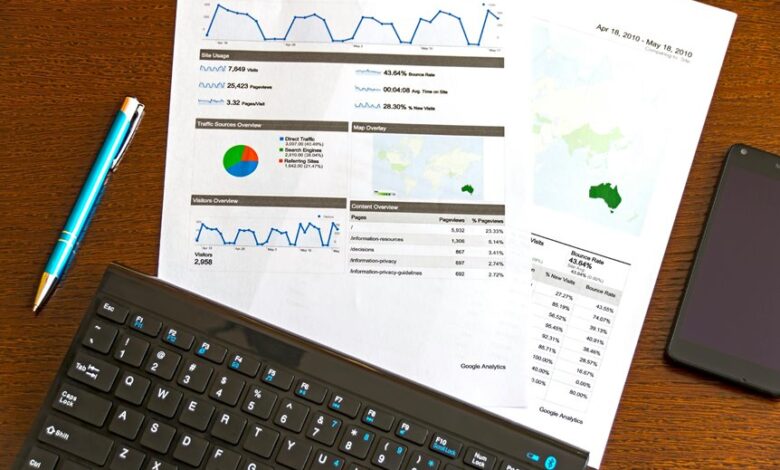
Through effective data visualization, it enables stakeholders to quickly interpret multifaceted information, fostering informed choices.
Analyzing Key Data Points
The Strategic Insights Matrix serves as a foundation for analyzing key data points, enabling organizations to extract meaningful insights from complex datasets.
By employing data visualization techniques, stakeholders can effectively interpret trends, while predictive analytics methods allow for forecasting future outcomes.
This strategic approach empowers decision-makers to optimize resources, enhance operational efficiency, and ultimately achieve their organizational goals with greater confidence and clarity.
Identifying Market Trends
What factors contribute to the emergence of market trends, and how can organizations effectively identify them?
Trend forecasting plays a crucial role, enabling companies to analyze consumer behavior and preferences through market segmentation.
Leveraging Insights for Competitive Advantage
Building on the identification of market trends, organizations can harness insights to create a competitive edge.
By integrating competitive intelligence into their frameworks, they enable data driven decisions that optimize strategies.
This approach not only enhances operational efficiency but also allows businesses to anticipate shifts in consumer preferences, ultimately fostering innovation and resilience in a dynamic marketplace.
Conclusion
In conclusion, the Strategic Insights Matrix serves as a compass for organizations navigating the complexities of market dynamics. By meticulously analyzing key data points, businesses can illuminate emerging trends and consumer behaviors. This structured approach fosters collaboration and informed decision-making, positioning stakeholders to adjust strategies proactively. Ultimately, leveraging these insights cultivates a competitive edge, akin to a well-trained athlete anticipating the opponent’s moves, ensuring that organizations not only keep pace but also lead in their respective markets.