
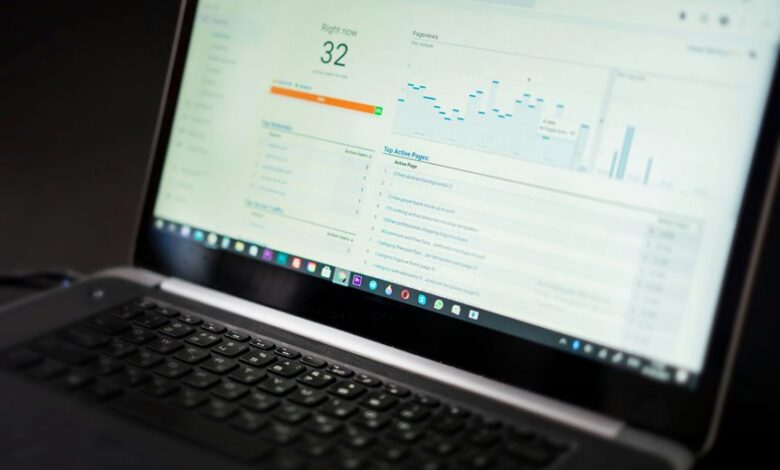
The Enterprise Metrics Dashboard serves as a critical instrument for organizations aiming to optimize performance. It aggregates essential metrics such as 6163306271 and 911787298, facilitating real-time analysis and informed decision-making. By examining these key performance indicators, companies can identify trends and areas for improvement. However, the true challenge lies in effectively implementing this dashboard. Understanding the implications of each metric is vital for fostering a culture of agility and continuous improvement. What strategies can enhance this process?
Importance of Real-Time Data in Business
Although many businesses rely on historical data for decision-making, the importance of real-time data cannot be overstated.
Real-time analytics empower organizations to respond swiftly to market changes, thereby enhancing business agility. This immediacy allows for informed decisions, optimizing operations and fostering innovation.
In an increasingly dynamic environment, the ability to harness real-time data is crucial for maintaining a competitive edge.
Key Performance Indicators Explained
Real-time data not only enhances business agility but also informs the selection of Key Performance Indicators (KPIs), which are vital metrics used to evaluate the success of an organization in achieving its objectives.
KPI categories, including financial, operational, and customer metrics, facilitate effective performance measurement. By aligning KPIs with strategic goals, organizations can foster accountability and drive continuous improvement across all levels.
Analyzing Specific Metrics for Strategic Insights
While organizations recognize the importance of KPIs, analyzing specific metrics in depth reveals strategic insights that drive informed decision-making.
Understanding metric correlation enhances the ability to identify trends that support strategic alignment. By dissecting individual data points, organizations can uncover relationships between metrics, facilitating a clearer vision of performance and fostering agile responses to market dynamics, ultimately leading to better outcomes.
Implementing an Effective Metrics Dashboard
Implementing an effective metrics dashboard requires careful planning and execution to ensure that it meets the organization’s strategic needs.
Key considerations include thoughtful dashboard design that prioritizes clarity and relevance, fostering user engagement through intuitive interfaces.
Additionally, continuous feedback loops are essential for refining metrics, enabling users to derive actionable insights that align with organizational objectives and promote informed decision-making.
Conclusion
In conclusion, the Enterprise Metrics Dashboard serves as a vital resource for organizations aiming to harness real-time data for strategic advantage. Notably, businesses that leverage such dashboards are 5 times more likely to make faster decisions than their competitors. By integrating and analyzing key performance metrics, organizations can not only track their progress but also foster a culture of continuous improvement, ultimately positioning themselves for success in today’s dynamic market landscape.